
We’re talking about “Atomic Habits” by James Clear
Previous episode:
63: “Atomic Habits”
http://active-recall.com/atomic-habits/
Podcasts, videos, and iPad art
We’re talking about “Atomic Habits” by James Clear
Previous episode:
63: “Atomic Habits”
http://active-recall.com/atomic-habits/
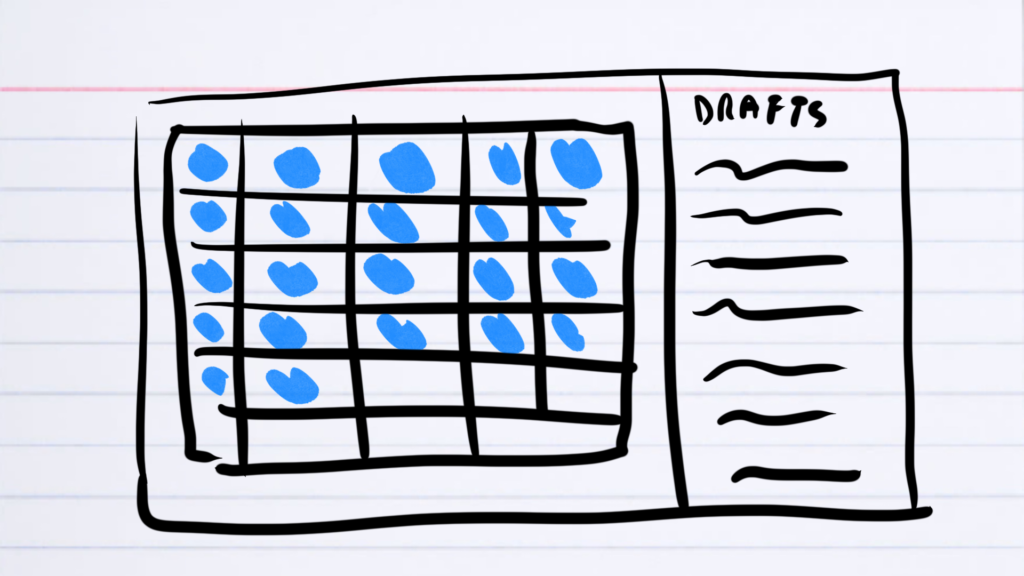
I started using a WordPress plug-in that gives you a calendar view of your posts:

This is another step toward writing in the editor by default. Asking ‘why’ a couple more times:
Okay so the good thing is that I can plan out posts and stick to the schedule. I can build trust in some past self that deemed this order of content the proper order of things. If I have something that’s really exciting to me at the moment, then I can bump it up sooner but at least do a quick check to rank it against other ideas I wanted to write about.
There’s also a view for opening up a small text-only editor. It’s the right amount of space for me to jot some topics down and add a quote. At the same time, it reminds me not to go too deep into the post yet.
If I’m good about things, I’ll always have a book quote and some bullet notes ready to write about first thing in the morning. Then I can create before consuming.
Summary: Having a calendar is helpful, who would’ve thought???
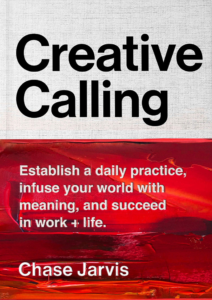
Check out the full notes for “Creative Calling: Establish a Daily Practice, Infuse Your World with Meaning, and Succeed in Work + Life” by Chase Jarvis
I’m reading Creative Calling by Chase Jarvis (I’ll write a book stack update tomorrow). I’ve listened to Chase Jarvis’s podcast for a few years and his appearance on Tim Ferriss’s podcast is one of those episodes that, if it were a book, I would put face out on the bookshelf. I was excited to see that he released an actual book.
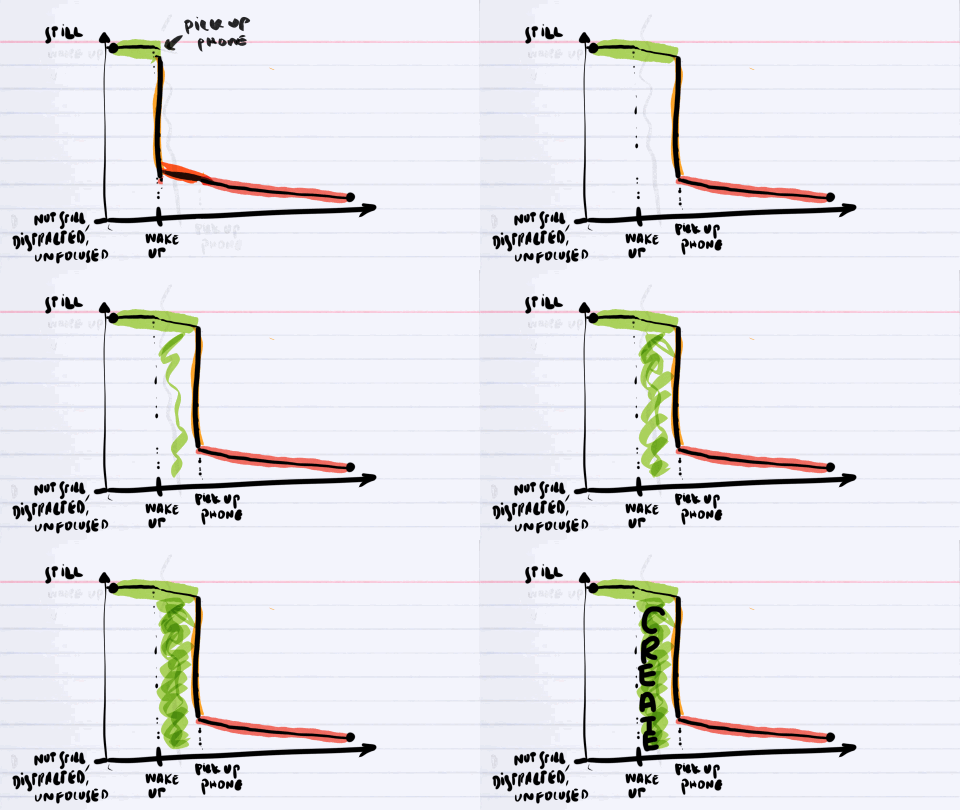
It’s got a lot of practical advice for living a creative life and building creative practice into your day. One good time to try out: first thing in the morning. One way to make this work: aim to create something before you start consuming things.
If the first thing you do each day is pick up your phone and cruise all your favorite creators and entrepreneurs for inspiration, you probably end up feeling anxious or depressed that you’re not far enough along. The simple act of creating something with intention first, before consuming the work of others, alters the dynamic.
In Stillness is the Key, Ryan Holiday writes about the importance of protecting your mind from all of the inputs of the outside world.
The way you feel when you awake early in the morning and your mind is fresh and as yet unsoiled by the noise of the outside world—that’s space worth protecting. So too is the zone you lock into when you’re really working well. Don’t let intrusions bounce you out of it. Put up barriers. Put up the proper chuting to direct what’s urgent and unimportant to the right people.
You have stillness when you wake up.
There are a few things you can do to maintain that stillness1. One thing you can do is create something without any inputs—journal, draw, take some pictures.
Once that’s done then you can get on with the millions of things you do that break that stillness.
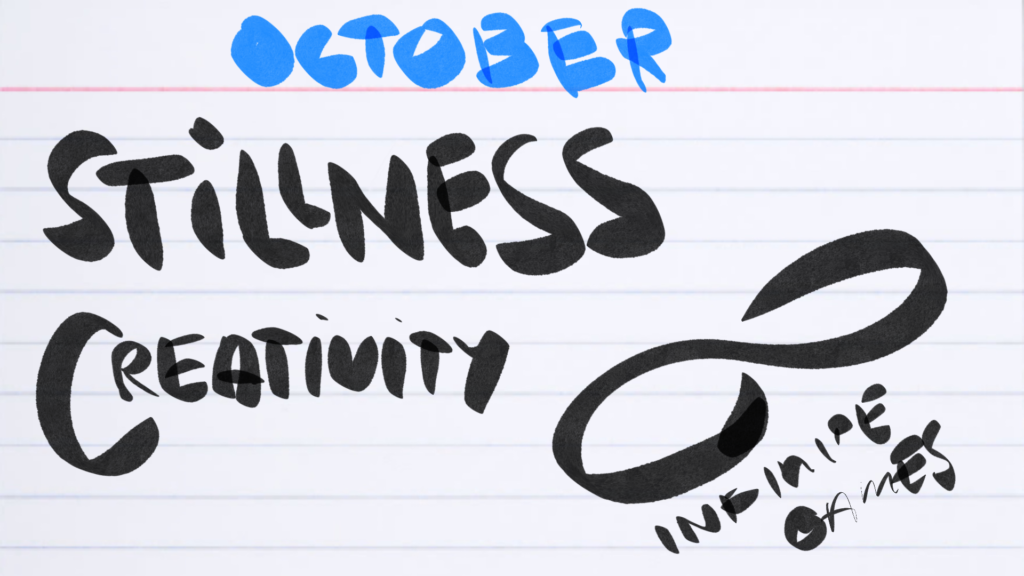
My October book stack currently looks something like…
Those notes got a little long so I’m going to just list out other books and send this off into the world.
I’ve started these recently and am still deciding on which to continue on with this month:
Some things I’m re-reading (aka re-skimming) or which I’m not counting toward the 4. Worth mentioning because they’re some of the things I’m thinking about but I’m not giving them deep reads:
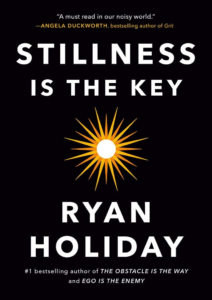
Check out the full notes for “Stillness Is the Key” by Ryan Holiday
I’m writing this at the gym and have made it here every day for a week. Miracles can happen. Consistency over intensity is a principle I try to follow. Not that I lean toward intensity—it’s that my workouts are already not that intense so I should at least aim to be consistent with them.
Anyway, I want to get back to posting regularly and I can apply that principle to creating content as well. Though I guess it’s more like consistency over quality. (Which, now that I’m writing it, is restating quantity over quality.)
Actually, maybe it really should be this idea of consistency over intensity. I often create 4-hour time blocks on a weekend where I think I’ll write 2 posts and make a podcast episode and a video. It of course leads to just making a draft of a video, 0 posts, and no podcast.
So I’ll try doing this for at least 3 posts: 1 book quote with some thoughts.
Here’s the first, from Ryan Holiday’s Stillness is the Key (which I finished reading last night):
What’s the best way to start journaling? Is there an ideal time of day? How long should it take?
Who cares?
How you journal is much less important than why you are doing it: To get something off your chest. To have quiet time with your thoughts. To clarify those thoughts. To separate the harmful from the insightful. I want this blog to be a place for collecting other people’s polished ideas and sharing my own rough thoughts. My public journal.

I’m starting this in Cold Turkey Writer and I plan to move it to WordPress.
There are a couple things in play here:
1. If I use Cold Turkey Writer, I’ll write. I know that from getting many, many reps turning Cold Turkey Writer on and writing. When Tim Ferriss had Neil Gaiman on as a guest, Gaiman says (and I’m guessing he’s said this elsewhere as well) that, when writing, you should give yourself two things to do: write or do nothing.
Neil Gaiman:
Yeah, ’cause I would go down to my lovely little gazebo at the bottom of the garden, sit down, and I’m absolutely allowed not to do anything. I’m allowed to sit at my desk, I’m allowed to stare out at the world, I’m allowed to do anything I like, as long as it isn’t anything. Not allowed to do a crossword, not allowed to read a book, not allowed to phone a friend, not allowed to make a clay model of something. All I’m allowed to do is absolutely nothing, or write.
If you can’t write because there’s nothing to write about, doing nothing will help you find something to write about. Hitting the “random article” button on Wikipedia will help you find something as well, but then it opens up a whole lot of other doors, many likely more tempting than the door that exits back to writing. So Cold Turkey Writer gives me two things to do (at least in the digital environment): write or do nothing.
2. Write in the editor. That’s something that’s stuck with me from reading and listening to Seth Godin. Okay this is also from a Tim Ferriss episode, but he talks about the importance of specific locations for specific work. He tells a story (which I will now butcher) about a study group he was in during business school. They’d always work together in a specific room in a specific building on campus. They didn’t take leisure there. When they were there, they got things done. He relates that to Typepad, which he’s used for his daily blog for years. He opens up the Typepad editor and writes directly in there. It’s the specific place he goes to and he knows what he’s in there to do. Write a daily post and get out of there. (Here’s another post where I mentioned writing in the editor. And another. And another.)
So I’m not actually writing in the editor right now. Again, this is in Cold Turkey Writer. I set a ten minute timer and it’s about to be up.
My mission now: get this text to the WordPress editor as fast as I possibly can.
Otherwise this might disappear somewhere in an endless pile of drafts1
If you’re reading this now… (tiny) mission accomplished.